Signed in as:
filler@godaddy.com
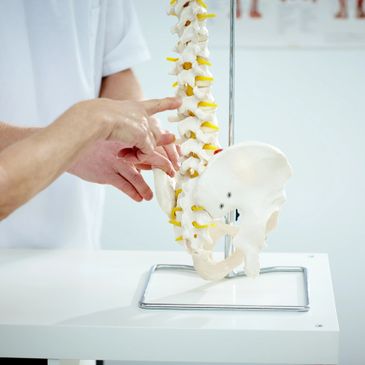
Not all pelvic pain is caused by infection. Many men experience persistent discomfort around the penis, testicles, groin, perineum (“between the testicles and anus”), or lower back — a condition known as Chronic Pelvic Pain Syndrome (CPPS).
This may feel similar to prostatitis, but it is not caused by bacteria and does not improve with ant
Not all pelvic pain is caused by infection. Many men experience persistent discomfort around the penis, testicles, groin, perineum (“between the testicles and anus”), or lower back — a condition known as Chronic Pelvic Pain Syndrome (CPPS).
This may feel similar to prostatitis, but it is not caused by bacteria and does not improve with antibiotics alone. CPPS is often linked to muscle tension, nerve sensitivity, inflammation, or stress.
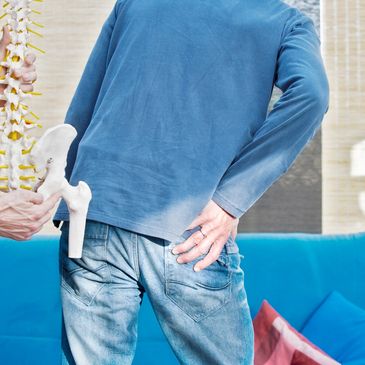
Men with CPPS may experience:
🔹 Aching or soreness in the testicles, penis, or between the scrotum and anus
🔹 Pain when ejaculating or discomfort after ejaculation
🔹 Pelvic pain or pressure when sitting for long periods
🔹 Tightness or pain in the groin, lower back, or lower abdomen
🔹 Burning, stinging, or frequent urge to urinate
🔹 A
Men with CPPS may experience:
🔹 Aching or soreness in the testicles, penis, or between the scrotum and anus
🔹 Pain when ejaculating or discomfort after ejaculation
🔹 Pelvic pain or pressure when sitting for long periods
🔹 Tightness or pain in the groin, lower back, or lower abdomen
🔹 Burning, stinging, or frequent urge to urinate
🔹 A heavy, tight, or tense feeling in the pelvic area
Symptoms may come and go, worsen with stress, or flare after sexual activity, exercise, or prolonged sitting.
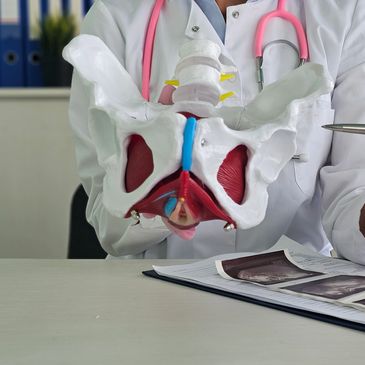
CPPS is often due to a combination of factors:
CPPS is often due to a combination of factors:
CPPS is a pain syndrome, not necessarily a prostate infection

Our assessment may include:
🧪 Urine & blood tests (to rule out infection)
🧩 Pelvic muscle & nerve evaluation
📋 Pain, lifestyle, and sexual health review
📍 Imaging when necessary
The key is identifying whether the cause is muscular, nerve-related, inflammatory, stress-related, or infectious.

Medications may be prescribed to reduce inflammation, relax muscles, calm overactive nerves, or ease urinary discomfort.
Many men with chronic pelvic pain have tight or overactive pelvic muscles rather than weakness. Targeted relaxation training helps release tension and reduce pain.
Unlike its use for strengthening, the EMSELLA chair can also be applied in relaxation protocols to ease chronic pelvic tension. Emsella helps calm overactive pelvic muscles, reduces spasm and tightness in the pelvic floor, improves urinary symptoms linked to pelvic tension, and it provides quick, non-invasive sessions without touching the groin area
Stress often worsens pelvic muscle tightness. Guided breathing and relaxation techniques can help break the cycle of pain–tension–pain.
Constipation and dehydration increase pressure around the prostate and pelvic floor. Improving water intake and bowel habits helps reduce irritation and discomfort.
Shockwave can help relax overly tight muscles, increase blood flow, and reduce sensitivity in painful pelvic regions.