Curved Penis (Peyronie’s disease)
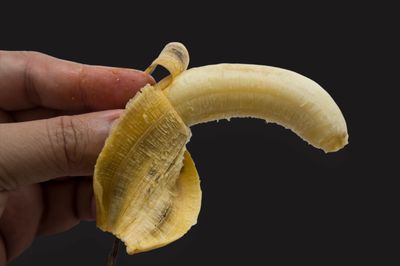
What is Peyronie’s Disease?
Peyronie’s disease is a non-cancerous condition that affects men's health and is caused by the formation of fibrous scar tissue beneath the skin of the penis. This scar tissue, also known as 'plaque,' reduces the elasticity in the penile shaft, which can result in a curved penis, leading to painful or bent erections, penile deformity, and difficulties during sexual intercourse.
When the scar tissue develops, it may create a visible or palpable hard area under the skin. Consequently, the penis can curve upward, downward, or to the side during an erection. In more severe cases, this curvature can make penetration painful or even impossible.
Alongside curvature, some men may experience reduced penile length or circumference, narrowing (often referred to as 'hourglass' deformity), as well as indentations or lumps along the shaft.
Why Does It Happen?
The exact cause of Peyronie's disease is not fully understood. However, the most widely accepted theory is that repeated micro-injuries or trauma to the erect penis trigger an abnormal healing response. Instead of normal scar healing, the body lays down excess fibrous tissue — the “plaque”.
Over time, with ageing and changes in tissue elasticity, the risk of developing a curved penis due to abnormal scarring increases.
Genetic predisposition and connective tissue disorders (for example, similar fibrotic conditions affecting other parts of the body) may also raise the likelihood of men's health issues related to Peyronie's disease.
Once the scar tissue has formed, it tends to remain — scar tissue does not stretch like normal tissue. This reduces flexibility and causes the penile shaft to bend around the hardened tissue during erection.
How Peyronie’s Disease Develops
The condition typically progresses in two stages:
Active (inflammatory) phase — During this stage, scar tissue forms, and symptoms may include penile pain (with or without erection), deformity, and variable curvature, which can lead to a curved penis. The shape of the penis may continue to change as the scar develops.
Stable (chronic) phase — After the scar tissue matures, pain often reduces or disappears, and the curvature stabilizes. At this point, the deformity often remains unless treated, which is significant for men's health, especially concerning Peyronie's disease.
Because of this two-phase nature, early evaluation and treatment are often recommended — especially when curvature, pain, or discomfort begins.
Possible Complications
Difficulty or pain during erection and intercourse can be a sign of erectile dysfunction, which may manifest as less rigid or unsustainable erections. This condition can arise from tissue changes, such as those seen in Peyronie's disease, which often leads to a curved penis. Additionally, the shortening or narrowing (hourglass deformity) of the penis can impact penetration and sexual comfort. The emotional and relationship effects can be significant, leading to reduced confidence, performance anxiety, and intimacy issues, all of which are important aspects of men's health.
Treatment & Management at Mencare Clinic
Shockwave Therapy

Non-surgical therapies such as shockwave therapy can be beneficial for men's health, particularly for conditions like Peyronie's disease. This treatment helps break down or soften scar tissue, thereby improving blood flow in cases of a curved penis.
P-Shot
Platelet-Rich Plasma (PRP) therapy, also known as the P-Shot®, is an effective treatment to promote tissue repair, reduce inflammation, and support healing in affected areas, particularly for men facing challenges related to a curved penis or those dealing with Peyronie's disease, ultimately enhancing men's health.
Traction or Vacuum Devices
Traction or Vacuum Devices
Traction or vacuum devices – in some cases, the gentle use of penile traction or vacuum devices can help straighten a curved penis and improve its shape over time, which is beneficial for men's health and may assist those dealing with Peyronie's disease.
Peyronie's Disease Treatment: Effective Solutions for Curved Penis

Because Peyronie’s disease often begins gradually and silently, many men may delay seeking help. However:
Early intervention for conditions such as Peyronie's disease can reduce pain, prevent further deformity, and improve long-term outcomes related to men's health. Multiple non-surgical options are available, often avoiding the need for surgery in many cases of curved penis. Treatment can enhance not only physical function but also boost confidence, intimacy, and overall quality of life.